
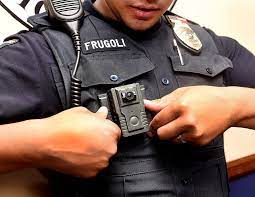
Despite the widespread use a range of personal body cameras for law enforcers, there are still some concerns about how to use them. The following article contains tips to help you use your body camera correctly and avoid legal problems.
Getting a lawyer to review body camera evidence
Getting a lawyer to review your body camera is not for the faint of heart. As with most legal affairs, the prosecution has a vested interest in your well being, and is likely to have a vested interest in the outcome of your court case. As such, they will have a vested interest in you deciding on which type of lawyer to hire, what type of legal representation you want, and what type of legal representation you should not have. It is for all of these reasons that you should consult a top notch lawyer before making any legal or otherwise decisions.
Limit officer discretion on when they should and should not record
Using a body camera is only legal in certain situations. These include administrative and criminal investigations. It is important that officers understand their limitations and how to use them.
Officers should avoid recording private areas such as restrooms, locker rooms, and dressing rooms. These areas are generally not covered by the BWC system. They should only be used to record official law enforcement activities.
Officers should not record statements from witnesses, victims, or any other private individuals. They may only record initial statements and if they have explicit permission to do so. If the subject refuses to be recorded, the officer can deactivate the camera.
It is important to remember that BWCs are not equipped with facial recognition technology. That means that video recordings are not used to identify people suspected of criminal activity. It is also important to remember that recordings are only kept for three years.
Policies vary across the county
Several states have passed legislation requiring body camera policies for law enforcement agencies. However, there are still many differences among state policies. There are also some federal bodies that can help agencies establish policies on how to use body cameras.
Lawmakers in the states and federal government can also work together to help agencies establish more clear standards on how body cameras should be used. They should also provide agencies with room to experiment with different approaches. This will allow the agencies to determine what is best for their agency.
Body camera policies can protect the privacy rights of the people involved, while also helping to improve police accountability. Policies should consider both when it’s appropriate to activate the cameras and how they’re used. For example, police officers should never turn them on in a hospital room or private medical facility. They should also not record people in restrooms or locker rooms. In addition, they should not record people in schools, churches, social service centers, or in public places.
Retention policies should be long enough to allow victims or the public to access videos
Having a well laid out data retention and dissemination policy can save a lot of time and money in the long run. A good data retention policy will ensure that your valuable data is not lost to the vagaries of time, weather and human error. Keeping video evidence under lock and key will ensure the long term safety of your citizens. There are many video storage solutions to choose from, but you need to decide on the best solution for your police department. The most important consideration is how to make sure that your videos are stored securely and are only available to the people you trust. A good data retention policy will ensure that videos are only retained for a specific period of time. The right policy will also ensure that your data is securely encrypted at the start and end of the retention period.
